Showing posts with label Nav Hindu. Show all posts

Friday

A Short Story on Religion of Hinduism

Hinduism is the prevalent religion of India. Hindus hold their religion near their heart. The word of their sacred writing is the word of the Lord to Hindus. Peoples of Hindu Religion are worshiping idols and have the deep faith in innumerable forms of the divine power which is the integral part of every Hindu's life. In spite of the fact that there are nonbelievers to be found in India yet the dominant part genuinely accept and comply with their sacred writings. Numerous Hindu families have their own family supporter god known as the Kuldevta.


The peoples of the Hindu Religion believe in the existence of 330 million Gods. There are sanctuaries everywhere throughout the nation dedicated to the God the region believes in. Nav Hindu introduce you with all beliefs and rituals related to all hindu Gods. You can see the religious videos and know the fact behind the Hindu Religion and the Gods of Hindu Religion. Hinduism gives more importance to temples and every temple has a statue or 'Murti' of Hindu God to whom the temple is devoted. Numerous temples are based by virtue of religious significance or a legend related to a place.

India is a diverse nation in terms of language, culture, history and religion represents the variation in terms of temples too. You can find temples of Hindu Gods all over the country, but they differ in terms of architecture, rules, beliefs and customs. The Temples of North India are very different from the temples of South India and the customs followed by the peoples are also very different.

Lord Sri venkateshwara Temple, Guruvayur temple in Kerala, Thiruvannaamalai temple in Tamil Nadu are the famous temples of South India, while the Vashno Devi, the Kedarnath Temple, Akshar Dham are among the prominent North Indian Temples. There are different stories behind every temple and we give you the complete knowledge behind the origin of these temples.

Thursday

Read About Facts & Beliefs of Hinduism

Many cultures have come and gone in the history of mankind, but Hinduism has withstood many difficulties postured when and has spread everywhere throughout the world. The mystery of this achievement of Hindu religion lies in the reality in its functional approach towards human life, belief in eternal truths, and adjustments made without changing the essential convictions. If you want to explore the real facts of Hinduism their mythological accounts, poems, prayers and more than you should surely visit here. Because we give you the best way to know about the culture and history of Hinduism.

Hinduism is not a composed religion and has no single, orderly way to deal with showing its esteem framework. Nor do Hindus have a simple set of rules to follow the Ten commandments. Nearby, territorial, standing, and group driven practices impact the understanding and routine of convictions all through the Hindu world. Nav Hindu tries to provide you all the basic knowledge about the beliefs of Hinduism, and all those small things related to Indian culture. We make efforts to give the basic knowledge about the Hinduism.

The most sacred text of Hinduism are the Vedas ("Books of Knowledge"), an accumulation of writings written in Sanskrit. The Vedas are a collection of hymns and different religious writings composed in India around 1500 and 1000 BCE (Before Common Era). By reading Vedas you get to know about the facts of Hinduism their mythological accounts, poems, prayers and more. We consider the Vedas as the oldest Hindu texts and divided in different categories includes Rig-Veda, Sama-Veda, Yajur-Veda, Atharva-Veda.

The Scriptures of Hinduism are known as the Vedas, or the Amnaya. The Hindus have gotten their religion through disclosure, the Vedas. These are immediate intuitional disclosures and are held to be Apaurusheya or totally superhuman, with no creator in specific. The Veda is the magnificent pride of the Hindus, nay, of the entire world. With us you get to know about the true Indian traditional culture and their values.

The Greatest Mystery of Hindu Deities

Hindu religion is the only religion in the world who have a multitude of gods and goddesses. And there is a belief in peoples that the whole universe is the creation of Hindu Gods. The most principal of Hindu gods is the Trinity of Brahma, Vishnu and Shiva. According to hindu religion history these three are the creator and the generations of mankind. With the help of Nav Hindu you get to know about the great mystery of Hindu Deities in full detail.

Origion of Lord Brahma

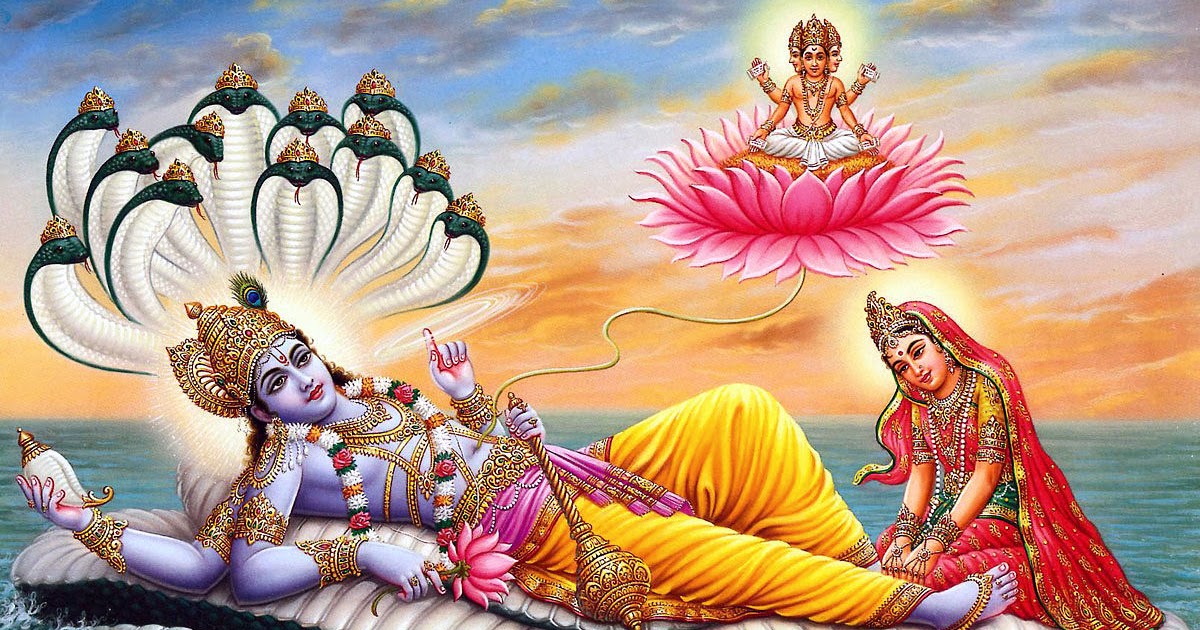
We all heard about the divine trinity of Hinduism, This consists of the three main gods and these includes Brahma, Vishnu and Shiva. Lord Brahma is also known by the name of father of Dharma. There are many stories related to the origin of Brahma. Some say that he is the son of God and was born of supreme being Brahman and the divine female energy known by the name of Maya. The desire to create the universe, Brahman firstly creates water and he placed his seed in it. The seed converts into a golden egg from which Brahma appeared. While other believes that Brahma is self born, grew from lord Vishnu navel.

Interesting Things About Lord Vishnu


Lord Vishnu is one of the main deities of the Hindu religion which is known as the Supreme Being in its Vaishnavism tradition. If we explore the Hindu Itihas, we get to know that Lord Vishnu is the preserver and upholder of Dharma and also the part of the Hindu Trinity. It is composed in the scripture writings about Lord Vishnu that: 'Shantakaram Bhujagshayanam' 'शान्ताकारं भुजगशयनं'' which means Vishnu is resting on the serpent (Sheshnag).

Lord Shiva
Different peoples recoganise him with different names like Mahadev, Shiva, Shankar, koteshwar, Mahesh and many more. Lord Shiva also known as the destroyer of wickedness. He couldn't endure foul play and devastated the evil rakshasas in a fair way. Even we ought to attempt to keep zero resilience for the evil happening around us and stand firm against bad things and injustice.

Tuesday

Explore the History of Hindu Religion

The historical backdrop of Hinduism is unique among the world religions in that it has no founder or have the exact date of origin. There are many stories behind the Hindu Religion history. But like other religion and traditions, Hinduism does not originate by a single founder. It contains a wide range of convictions, philosophies of insight and perspectives, not generally reliably with each other. There are many myths and beliefs about this religion. Also, you can find the people who are subdivided in different castes. It feels good when we get to know about our culture, heritage and if you also want to explore about Hindu Culture then you can explore it with Nav Hindu.

Belief in God

Religion is all about beliefs and when we talk about beliefs, we automatically talk about God. If we talk about the divine power of God, then we can see that The Hindu religion believes in more than one God. India is a vast country with rich cultural heritage you can see the various cultures of the same religion. The word Hindu is derived from the very famous river of South Asia, which is known by the name of Indus. In India you can find all most around 80% of the population as Hindu and 30 million Hindus live outside of India.
Hindu Gods
Four Denominations of Hinduism

There are many beliefs of Hinduism like we all know that Hinduism is Divided into four main dimensions includes Saivism, Shaktism, Vaishnavism and Smartism. Whenever we talk about Saivism, we start talking about the lord Shiva. It also indicates the tradition which holds the belief that Shiva is the Lord of this universe and creator of all.

On the other hand Shaktism means the worship of supreme mother Shakti or we can say Davy. Vaishnavism indicates that the God is the supreme and also believe that the ultimate reality is personal. And smartism allows their followers to worship more than one God includes Vishnu, Shiva, Ganesha, Surya and Shakti. And Adi Shankaracharya was the founder of Smartism.